
Aging in Place: A Guide for Northern Virginia & Maryland Seniors
For many seniors, the best next chapter is staying right where they are. Aging in place means making your home work for you as your needs change — with the right modifications, the right support, and the right plan. This guide walks you through what that looks like in Northern Virginia and suburban Maryland.
What does aging in place actually mean?
Aging in place means remaining in your own home — or a home that feels like yours — safely, comfortably, and independently as you grow older. It is not about refusing help or ignoring change. It is about planning ahead so that your home continues to fit your life, rather than the other way around.
For many seniors in Northern Virginia and suburban Maryland, the home they have lived in for decades holds deep personal meaning. The garden they planted, the kitchen where family gathered, the neighborhood they know by heart. Aging in place lets you keep those connections while making practical adjustments for safety and convenience.
According to AARP, nearly 90% of adults over 65 prefer to stay in their homes as they age. With thoughtful planning and the right modifications, most can do so safely for years — even decades.
Aging in place may be a good fit if:
- Your home can be modified for safety without major structural changes
- You have access to supportive services — home care, meals, transportation
- You have family, friends, or neighbors nearby who can help in a pinch
- You are in generally good health and can manage daily activities with modest support
When to consider alternatives:
- Your home requires significant structural changes that are not feasible
- Cognitive or medical needs have grown beyond what in-home care can safely provide
- Social isolation is becoming a serious concern despite community efforts
- The cost of maintaining the home plus in-home care exceeds the cost of a senior community
Home modifications for safety and accessibility
Most homes do not need a complete overhaul to become safe for aging in place. A few targeted changes can make a significant difference. Here are the modifications that matter most.
Grab bars and bathroom safety
Installing grab bars near toilets, showers, and bathtubs is one of the simplest and most effective safety upgrades. Non-slip flooring, walk-in showers, and comfort-height toilets also reduce fall risk significantly.
Ramps and step-free entry
A ramp or zero-step entrance makes coming and going safe and comfortable, especially for anyone using a walker or wheelchair. Many homes in Northern Virginia and Maryland can be retrofitted with a modest ramp without major construction.
Single-floor living
When daily life — sleeping, bathing, cooking — can happen on one level, the risk of falls on stairs drops dramatically. Ranch-style homes and first-floor primary suites are popular choices for seniors planning to age in place.
Smart home technology
Voice-activated assistants, smart thermostats, video doorbells, and medical alert systems help seniors stay independent longer. Smart lighting that turns on automatically and motion sensors in hallways add another layer of safety.
How Much Do Aging-in-Place Modifications Cost?
The cost of aging-in-place modifications varies widely depending on the scope of work. Simple upgrades like grab bars, improved lighting, and non-slip flooring can cost as little as $500 to $2,000. More involved projects — such as installing a walk-in shower, adding a ramp, or converting a first-floor room into a primary bedroom suite — typically range from $5,000 to $25,000. A full bathroom renovation designed for accessibility can run $15,000 to $30,000.
In Northern Virginia, where home values are higher, these modifications often represent a small fraction of the home's overall equity — and they can help you stay in a home you love for years to come. Some Virginia and Maryland programs also offer grants or low-interest loans for accessibility improvements for qualifying seniors.
Community resources that support aging in place
Staying at home works best when you have a support network around you. Northern Virginia and suburban Maryland offer a range of services designed to help seniors live independently for as long as possible.
Home care services
In-home care aides help with daily activities like bathing, meal preparation, medication reminders, and light housekeeping. Agencies across Northern Virginia and Montgomery County offer everything from a few hours a week to around-the-clock support.
Meal delivery programs
Programs like Meals on Wheels serve seniors throughout the D.C. metro area, delivering nutritious meals to homebound adults. Many Area Agencies on Aging also coordinate congregate meal programs at local senior centers.
Transportation services
Virginia's Department of Aging and Rehabilitative Services and Maryland's Office of Transportation Resources both offer subsidized ride programs for seniors. Many counties also run their own demand-response transit services for residents 60 and older.
Both Virginia and Maryland have Area Agencies on Aging that serve as a central hub for connecting seniors with services. In Northern Virginia, the Area Agency on Aging of the Region serves Fairfax, Loudoun, Prince William, and surrounding counties. In Maryland, the Montgomery County Department of Health and Human Services and Prince George's County's Aging, Disabilities, and Veterans Services division both coordinate a wide range of programs.
Many of these services are free or income-based, and they cover everything from home safety assessments to caregiver support groups. Starting with a call to your local Area Agency on Aging is one of the most useful first steps a senior or family can take.
Finding the right home for aging in place
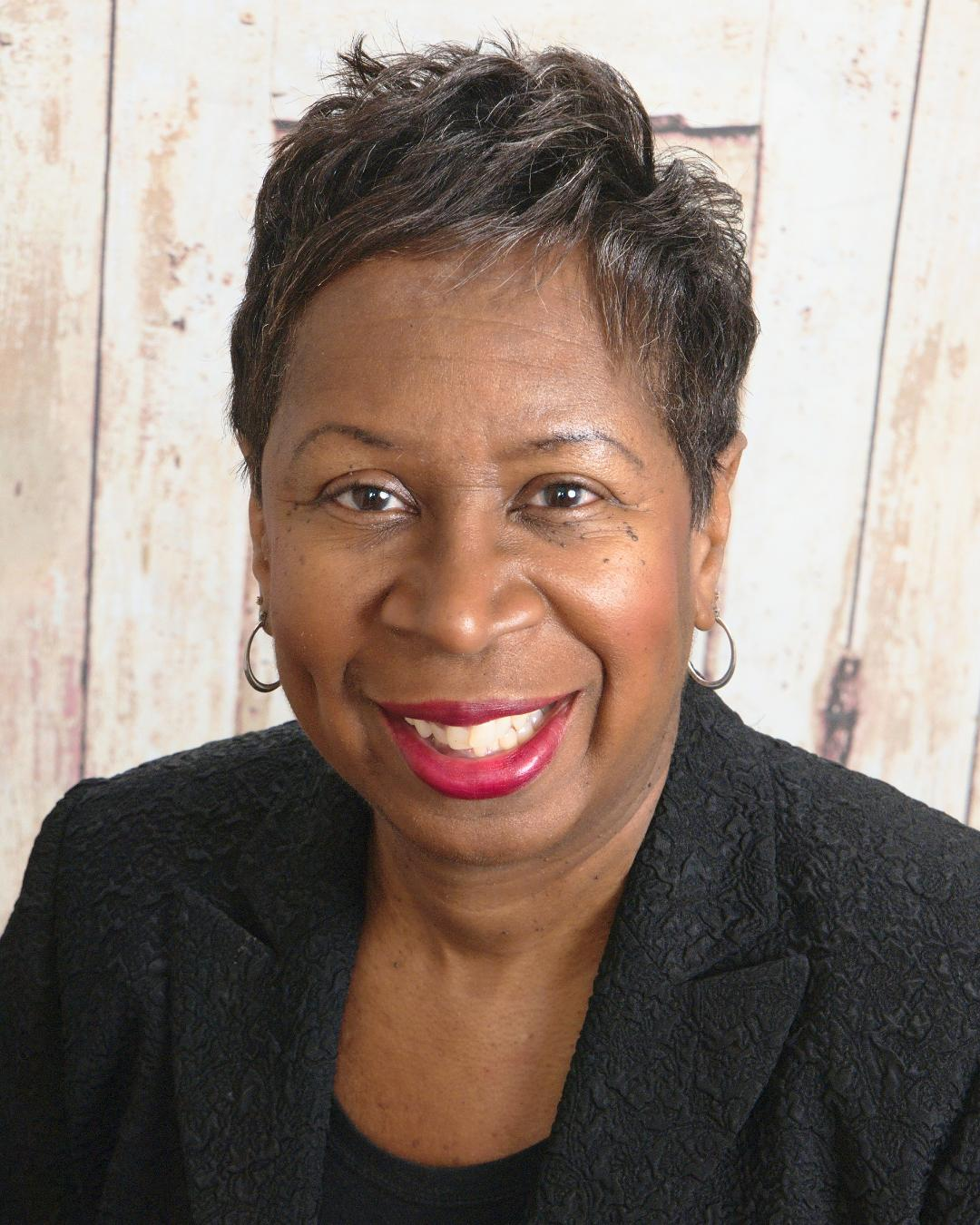
Whether you are looking to modify your current home or find a new one that is already suited for aging in place, Patricia can help. With 24 years of experience in Northern Virginia and suburban Maryland, she knows which homes, neighborhoods, and communities offer the features that make staying independent easier.
She can help you evaluate single-level ranch homes, first-floor primary suites, and neighborhoods with walkable access to services. If your current home needs modifications, she can connect you with trusted contractors and accessibility specialists in the area. And if the time comes when aging in place is no longer the best option, she can guide you toward the right senior living community — with no rush and no pressure.
Patricia is also connected to a national network of realtors, so if your next chapter takes you to another part of the country, she can connect you with a specialist in your destination city.
Want to explore your options?
Whether aging in place, downsizing, or finding a new community is the right path, a conversation is the best place to start. Patricia is here to help you think it through.
Contact Patricia — (703) 623-3476