
Frequently asked questions about downsizing and moving.
Whether you are a senior planning your next chapter or an adult child helping a parent prepare, these are the questions families actually ask about downsizing, moving, and finding housing in Northern Virginia and the Maryland suburbs. Every answer below links to a fuller guide on this site, so you can go as deep as you like.
Your questions, answered
Tap a question to open its answer. For more depth, follow the link underneath.
Should I downsize, and how do I know when it is time?
There is no single right time, but there are clear signs. When the house itself starts to feel like the burden, with upkeep, stairs, and yard work piling up, rooms sit unused, or you find yourself wanting to be closer to family and care, it is worth exploring what a smaller home could offer. Start with the stay or go quiz, then work through the downsizing guide step by step, and remember this is a decision you get to make on your own timeline.
How do I start the downsizing process without feeling overwhelmed?
Start small and start early. Sort one room at a time, tackle the garage, basement, and storage areas first for quick wins, and use a simple keep, donate, pass on, or discard system. Give yourself six months or more so decisions can be made at a comfortable pace, and remember that move managers, professional organizers, and estate sale companies exist to help.
What are my housing options as I get older?
The main paths are aging in place, downsizing to a smaller home or condo, moving to a 55+ or active adult community, and senior living options like independent living, assisted living, or continuing care. Each fits a different stage of life, budget, and level of support, so it helps to compare them all before deciding. The senior living page and the aging in place guide lay the options out side by side.
What is the difference between independent living, assisted living, and memory care?
Independent living is for active seniors who want community without home maintenance. Assisted living adds hands-on help with daily activities like bathing, dressing, and medication management. Memory care is a secured, specialized setting for people living with Alzheimer's or other cognitive conditions, with staff trained in dementia care.
How do I sell my home and move without stress?
The secret is time and a plan. Start about six months out, talk through the move as a family, sort belongings room by room, get the home staged for sale, and book movers well ahead of the date. Patricia handles the real estate side, from pricing and staging to timing the sale to match your move-in date, and the interactive move timeline walks you through every phase.
Do I need to do anything about estate planning or legal documents before a move?
Yes, ideally well before the move. Wills, trusts, durable powers of attorney, and healthcare directives should be in place and current, along with beneficiary designations and organized documents like deeds and insurance records. Patricia is a real estate specialist, not an attorney, but she can connect your family with trusted estate attorneys and tax professionals in Virginia and Maryland.
Can you help family caregivers who are coordinating a parent's move?
Absolutely. The caregiver guide is written for adult children and family caregivers, from opening the conversation gently to assessing safety and care needs, coordinating siblings, and knowing when to bring in professionals. There is also a dedicated section for adult children with practical advice for supporting a parent through their own decisions.
How do I choose between staying in my current home and moving?
Look at safety, maintenance, cost, social connection, and how close family and help are. Add up the true cost of staying, including taxes, insurance, utilities, upkeep, and any in-home care, and compare it with what a new arrangement would cost. The stay or go quiz walks you through the decision, and Patricia can help with the real estate side either way.
How much does it cost to sell a home and move?
It varies, because every home, neighborhood, and move is different, so there is no one-size-fits-all number. Costs can include sale preparation and staging, moving company fees, and any organizers or move managers you hire, but the equity freed up by the sale often offsets them. Patricia will walk you through the numbers for your specific situation, starting with a free home evaluation.
Where can I get help?
Start with Patricia Dinkens, a Residential Specialist with 24 years of experience serving Northern Virginia and the Maryland suburbs of Washington, D.C. Call (703) 623-3476 or email patricia@patriciadinkens.realtor, or send a message through the contact page. If she is not the right person for a specific question, her trusted network of professionals in the area will be.
I'm helping my parents downsize and I don't know where to begin.
You're not alone in that, most adult children feel the weight of it. We go room by room, decision by decision, at their pace.
How do I know when it's time to move?
That question usually means you're already feeling it: the stairs, the upkeep, the rooms that sit empty. Trust that feeling, and let's talk about what would genuinely make daily life easier.
Can we really afford to downsize?
It's the most common worry, and the answer often surprises people. We run your real numbers, equity, taxes, upkeep, utilities, not averages.
What do we do with a lifetime of belongings?
That one thought can stop a move cold. We break it into three piles: keep, pass along, let go. You set the pace.
What's the difference between a 55+ community and continuing care?
A 55+ community is an age-restricted neighborhood (55 or older) where you own your home or condo, pay an HOA or condo fee (often $150 to $500 a month), and arrange your own care if you ever need it. A continuing care retirement community is one campus with independent living, assisted living, and skilled nursing, so you can age in place through levels of care, but it usually requires a large entry fee (national averages around $400,000 to $480,000 in recent years) plus monthly fees from roughly $3,300 to $4,300 and up. These are typical national ranges, each community varies, so always ask for a fee schedule in writing.
Is it okay to move and still miss my home?
Of course it is. You can love where you're going and still grieve where you're leaving. That's normal, and we plan for it.
How do I help my parent talk about moving?
Start by listening instead of listing. Ask what they would miss, what worries them, and what matters most, then include them in every decision from the very first conversation. Bringing in a realtor and a senior move manager early can take a lot of the pressure off the family.
What should I look for in a 55+ or active adult community?
Think location, meaning proximity to family and medical care, single-level living, what the HOA or fees actually cover, waitlist timing, and how the community feels when you visit it in person. Patricia helps clients explore communities across Northern Virginia and Maryland and weigh what fits their life.
How do I manage a move after losing a spouse?
Do not rush. Grief and big decisions do not mix well, so take one step at a time, get help sorting keepsakes, and lean on the people who understand this season of life. Patricia has walked many clients through it and can connect you with local support.
What senior programs and benefits are available near me?
In Virginia, look to No Wrong Door and the Department for Aging and Rehabilitative Services. In Maryland, the Department of Aging and the Maryland Access Point program are the places to start. Benefits vary by county, and the Senior Programs & Benefits page breaks down what is available across the communities Patricia serves in Virginia and Maryland.
Who has the legal authority to sign the paperwork when it's time to sell my parent's home?
It depends on who holds the authority at that moment. If your parent is able to make their own decisions, they sign. If not, a durable power of attorney that specifically authorizes real estate transactions can let the named agent act for them, but a standard power of attorney ends the moment your parent dies, so after a loss it is the executor or personal representative named in the will, or the trustee if the home is held in trust, who signs. Have the document reviewed by a Virginia or Maryland estate attorney before the sale so there are no surprises at closing.
Can a family member be paid to take care of me?
In many cases, yes, through Medicaid long-term care programs that allow consumer direction, meaning you can hire the person you choose, sometimes including a family member, and pay them for covered care. Eligibility and details differ between Virginia and Maryland, the facts change, and they are applied county by county, so the honest first step is to start with your local Area Agency on Aging, Maryland Access Point at (844) 627-5465, or the state aging department and ask specifically about consumer-directed services. Never treat a general eligibility summary as your personal green light, because the rules are strict and easy to misread.
When we downsize, should we sell first or buy first?
There is no single right answer, and both paths are common across Northern Virginia and Maryland. Selling first gives you the clearest sense of your budget and often lets you negotiate a rent-back so you can stay a little while; buying first guarantees your new home is waiting but can mean juggling two mortgages if your old home has not sold. Talk through the timeline with your lender and your realtor together, and decide based on your cash position and how fast you can move, not on what worked for a neighbor.
Will my Maryland Homestead Tax Credit follow me if I move to a new home in Maryland?
It does not follow you. The Maryland Homestead Tax Credit limits how much your home's assessed value can rise from one year to the next for property tax purposes, but it only applies while the home is your principal residence, and it does not carry over to a new address. When you buy a new Maryland home and move in, you usually have to apply for the credit on the new property, and the limits and deadlines vary by county, so verify yours before assuming it is automatic.
Medicare open enrollment ends December 7. What should I actually review before it closes?
You do not have to switch plans, but you should check that the plan you have still fits. Compare the Annual Notice of Change you received with this year's details: the premium, the deductible, the copays you actually use, your prescriptions on the 2027 drug list, and whether your doctors, hospital, and pharmacy are still in network. The plan must receive any change by December 7, 2026, and new coverage begins January 1, 2027 (Medicare.gov, 2026). Help is free and unbiased through Medicare.gov's plan finder, 1-800-MEDICARE, or your state's SHIP counselors, and the guide below walks through the Virginia and Maryland details.
The whole family will be together for Thanksgiving. How do we bring up downsizing without starting a fight?
Start with curiosity, not a plan. Ask what they are looking forward to and what feels harder about the house this year, then really listen before anyone shares an opinion. Keep it to one or two trusted people rather than the whole table at once, and treat it as the first of many talks, not the one where everything gets decided. Families often plant the idea at Thanksgiving and set a follow-up conversation for January, once the holidays settle down. If they are open to it, inviting a realtor or senior move manager to a later conversation takes the pressure off everyone.
Does my parent's house need renovations before we sell it, or can we sell it as-is?
Both are legitimate, and the right answer depends on the condition of the house, your timeline, and your budget. Homes in Northern Virginia and Maryland sell as-is all the time when they are priced honestly and the disclosures are complete. A pre-listing inspection and a walkthrough with your agent usually make the choice clear: some repairs pay for themselves, and some are not worth the wait or the money. What we want to avoid is delaying a move for a big renovation that will not return its cost when the real goal is getting the house sold and the next chapter started.
Do we need a guardianship, or is my parent's power of attorney enough?
A durable power of attorney is created by your parent while they still have legal capacity, and once it is signed it can handle most financial and real estate matters without going to court. Guardianship is a court process that can take weeks or months and is generally only needed after capacity is lost and no valid document exists. If your parent already has a current durable power of attorney and healthcare directive, have an elder-law attorney in Virginia or Maryland review them before you rely on them. If capacity is already gone, a power of attorney can no longer be created, and a guardianship, often a limited one, may be the path; courts in both states prefer the least restrictive option.
Will Medicaid pay for assisted living or memory care?
Ask this early, because the honest answer has two parts. Medicaid waiver programs in both Virginia and Maryland can pay for the care-services portion of assisted living or memory care, but they generally do not cover room and board. Typical 2026 waiver income limits run around $2,982 a month, and eligibility, waitlists, and coverage differ by program and county. In Virginia ask about CCC Plus and the Auxiliary Grant; in Maryland, the Community Options Waiver. Begin with your local Area Agency on Aging or Maryland Access Point at (844) 627-5465 and verify your exact situation, because the rules are strict and easy to misread.
Are there programs to help with heating bills this winter?
Yes, and the timing matters. Virginia's Fuel Assistance Program just closed its main application window on November 13, 2026, but crisis assistance for furnace repairs, deposits, and utility shutoffs continues into March, and your local Department of Social Services office can tell you where things stand. Maryland's energy assistance runs year-round, and the 2026-27 program year opened back in July, so apply through MarylandBenefits.gov if you have not yet; typical annual fuel assistance benefits run roughly $200 to $700, and both states give older households priority consideration (Virginia DSS and Maryland OHEP, 2026-27 season). Apply once per program year, and have your most recent utility bill handy.
If we sell the family home, how much of the profit is tax-free?
Under current federal law, most homeowners can exclude up to $250,000 of gain from the sale of their principal residence, or up to $500,000 if married filing jointly, as long as they owned and lived in the home for at least two of the five years before the sale. The exclusion can be used once every two years, and it was unchanged as of late 2026 even though Congress has been weighing changes, so it is worth confirming before you close (IRS Publication 523, 2026). Depending on the sale price and what you originally paid, much of the gain on a longtime family home fits inside that exclusion. Ask your tax preparer about the Virginia and Maryland state treatment too, because state rules can differ from the federal rule.
Every move starts with one conversation.
No question is too small or too early. Patricia has spent 24 years helping seniors and their families in Northern Virginia and the Maryland suburbs plan moves at their own pace, and she starts every relationship with a conversation, never a pitch.
Bring your questions, your timeline, and your worries. She will help you sort out what comes first, who to talk to next, and what the real estate side will look like, whether that means staying, downsizing, or moving to a community. Her three principles, Service, Communication, and Appreciation, guide every step.
You can reach Patricia by phone at (703) 623-3476 or by email at patricia@patriciadinkens.realtor.
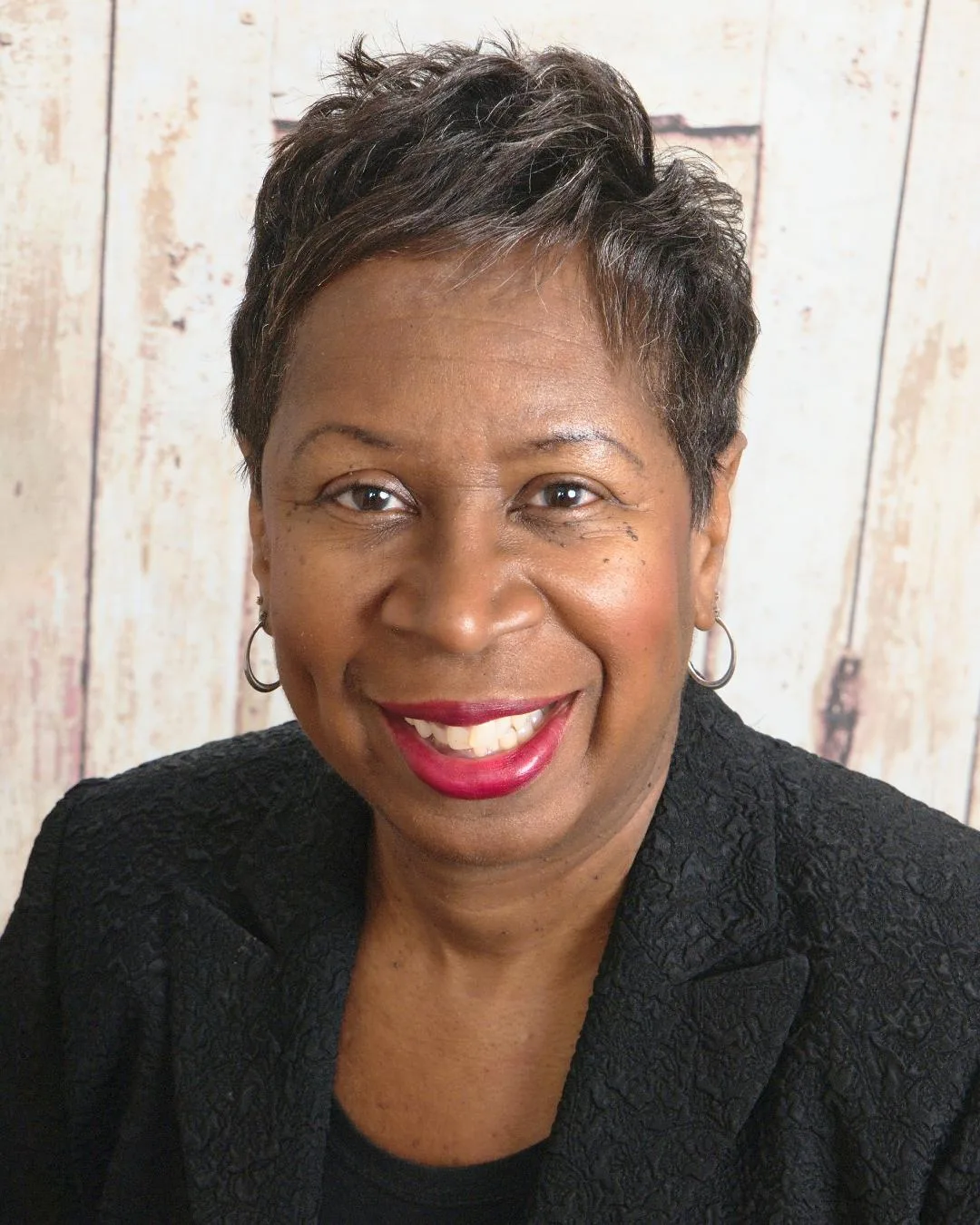
Patricia Dinkens
Residential Specialist · SRES
24 years in VA & MD
Samson Properties
Have a question that isn't listed here?
Reach out any time. Patricia and her trusted network across Northern Virginia and the Maryland suburbs of D.C. are here to help you and your family plan the next chapter, at your pace.
Contact Patricia: (703) 623-3476A note: This page is informational and meant to help you think through your options. It is not legal, tax, or financial advice. Always consult a qualified attorney, tax professional, or financial advisor for guidance specific to your situation.