
Helping an aging parent navigate their next move.
If you are helping a parent weigh aging in place against downsizing or a move to senior living, this guide walks through the conversation, the safety and care questions, the financial and legal paperwork, and the family coordination involved. It is written for adult children and caregivers in Northern Virginia and suburban Maryland, where Patricia Dinkens has guided families for 24 years. Start with the section that feels most urgent, and come back to the rest when you are ready.
Aging in place, downsizing, or senior living? A starting map.
These are not three rigid boxes. Many families blend them: a parent moves to a one-level condo in the same town, or into an independent living community nine blocks from the daughter who checks in daily. Here is how to think about each path.
Aging in place
Staying in the family home, often with modifications and support services added over time. This can work well when the home is already safe, care needs are modest, and help is available close by.
A good fit when: Best when stairs, bathrooms, and daily tasks remain manageable, and the parent wants to stay in familiar surroundings.
Downsizing
Moving to a smaller home, condo, or apartment, often in the same area or closer to family. This frees up home equity, cuts maintenance, and can make life simpler without losing independence.
A good fit when: Best when the house itself has become the burden: upkeep, stairs, yard work, or rooms that no longer get used.
Moving to senior living
An independent living community, 55+ community, assisted living, or continuing care retirement community. The right fit depends on care needs, budget, and how much support the parent wants on site.
A good fit when: Best when care needs are growing, social connection is thin, or staying home is starting to feel unsafe or lonely.
One more path: moving closer to family, even into a small rental, can buy a year or two of "wait and see" without committing to a purchase. Sometimes the best first step is a shorter lease, not a bigger decision.
How to start the conversation with your parent
Talking about a move touches identity, independence, memory, and fear. It is one of the hardest conversations a family can have. It does not have to be a confrontation. Here is how to approach it with warmth and patience.
Open gently, and open early
Do not wait for a fall or a crisis to introduce the topic. A calm conversation over coffee is a very different experience from a hurried one after an emergency. Start with curiosity, not conclusions.
Ask before you advise
Your parent has made their own decisions for decades. Begin with questions: "What do you love about this house?" and "What feels harder now than it used to?" The answers will tell you where they are, better than any advice you could give.
Frame it as planning, not pressure
Position the conversation around their goals, not your fears. "What would make the next few years easier and more enjoyable for you?" lands very differently from "This house is too much for you."
Bring up one topic at a time
Do not unload every concern in a single sitting. Talk about the stairs one week, the garden the next. Small, unhurried conversations build trust. A single overwhelming one can close the door for months.
Expect it to take more than one conversation
Most families talk about a move for months or even a year before anything happens. That is normal, and it is okay. Decisions made slowly are usually decisions that stick.
Conversation starters you can borrow
- "I have been thinking about the future, and I want to make sure you get to make the choices that matter to you."
- "What would you change about this house if you could change anything?"
- "If staying here ever became hard to manage, what would you want to do?"
- "What would make life easier for you over the next few years?"
- "Can we walk through the house together and talk about what feels heavy?"
How to assess safety and daily care needs
Before anyone decides anything, spend time looking at the home and the daily routine with honest eyes. Use these checklists as conversation tools, not scorecards. You can complete them together.
Home safety
- Are stairs, rugs, and floor paths clear and safe to navigate?
- Is the bathroom set up for safety: grab bars, non-slip mats, an accessible toilet?
- Is the lighting bright enough, especially at night and on stairs?
- Are smoke and carbon monoxide detectors working?
- Can help reach the home quickly in an emergency?
Daily care
- Are meals, groceries, and medication refills being managed reliably?
- Is bathing, dressing, and getting around the house going okay?
- Is driving still safe, or is there reliable transportation?
- Are doctor appointments being kept and followed up?
- Is the parent staying socially connected, or spending more time alone?
A useful next step: ask the parent's primary care doctor about a functional assessment, or hire a geriatric care manager for a professional evaluation. An outside pair of eyes often sees what close family cannot.
Financial and legal considerations to put in order
Paperwork is never anyone's favorite part of a family move, but it is the part that protects everyone when things get complicated. Here are the essentials, with the reminder that this is general information, not legal or financial advice.
Power of attorney
A financial power of attorney lets a trusted person manage banking, bills, and property if your parent cannot. A healthcare power of attorney (or advance medical directive) covers medical decisions. Having both in place before a crisis is one of the most protective steps a family can take.
Estate planning documents
A will, and in some cases a trust, determine how belongings and property pass to the people your parent chooses. Ask a qualified attorney in your state about which documents fit your family. Virginia and Maryland have different laws, so use an attorney who practices where the home is.
Home equity and sale proceeds
For many families, the home is the largest asset. Understanding what the home may be worth, what a sale could cost, and how proceeds could support care or retirement is an important part of the planning conversation. A financial advisor can help model the numbers with you.
Documents to gather
Start a single folder, physical or digital, for deeds, mortgage statements, wills, trusts, insurance policies, tax returns, birth certificates, and Social Security or Medicare cards. Having everything in one place makes every later step faster.
Disclaimer: This guide is general information and not legal, tax, or financial advice. Laws in Virginia and Maryland differ. Always consult a qualified attorney and financial professional for your family's specific situation.
How to coordinate with siblings and family
When several people love the same parent and the same house, opinions will differ. That is normal. These practices keep the process moving while protecting relationships.
Designate a point person
One sibling or family member should coordinate real estate, legal, and logistics, and keep everyone informed. That does not mean one person decides everything. It means there is one clear line of communication instead of five competing ones.
Set a rhythm of check-ins
A weekly call during active planning, and a shared note or group message for updates, keeps far-away siblings in the loop. Decisions, dates, and task lists should live in one place everyone can see.
Be transparent about money
Costs of the move, sale proceeds, and how expenses are shared are common flashpoints. Talk about them openly and early. If tensions build, a neutral third party such as a financial advisor can help keep conversations productive.
Keep your parent at the center
It is easy for a family project to take on a life of its own. Regularly check in with your parent about how the process feels, not just how the checklist is going. Their choices should drive the plan, even when they are not the fastest ones.
How to support your parent emotionally through the transition.
For your parent, the house is not a building. It is where they raised you, where holidays were celebrated, where a spouse may have spent their final years. Leaving it is an act of letting go, not a logistics problem.
Your parent may grieve the loss even while agreeing that the move is right. Grief and clarity can coexist. Your job is to hold space for both, and to make sure they stay at the center of every decision, right down to the color of the new bedroom walls.
Take care of yourself, too. Watching a parent move through this transition is its own emotional weight. Talk to a friend, a counselor, or a caregiver support group. You deserve support as much as your parent does.
For Your Parent
- Remind them that memories travel with the person, not the house. They will carry the stories with them everywhere they go.
- Involve them in every choice, even small ones: where the favorite chair goes, what color the new walls should be. Ownership eases grief.
- Celebrate what is ahead: less maintenance, new people, more time for the things they actually enjoy.
For You
- Forgive yourself on the days you feel impatient or overwhelmed. You are doing hard work because you care.
- Remember that you are helping your parent make their decisions, not making decisions for them.
- Take breaks. This is a marathon, not a sprint, and a day away will not undo your progress.
When to bring in professionals
You do not have to carry all of this alone. Each of these professionals exists to take a specific weight off a family's shoulders. Here is who does what, and when each one is worth calling.
Geriatric care manager
A geriatric care manager (also called an aging life care professional) assesses health, safety, and care needs, coordinates providers, and helps families understand what level of care is truly required. They are especially valuable when parents live far from family or needs are complex.
Senior move manager
A senior move manager handles sorting, packing, coordinating movers, and even unpacking and arranging the new home so it feels familiar from day one. For families spread across the country, a move manager is often worth every dollar.
Elder law attorney
An elder law attorney prepares powers of attorney, advance directives, wills, and trusts, and can answer Medicaid and long-term care questions. Virginia and Maryland have different rules, so work with someone licensed in the state where the property sits.
A Seniors Real Estate Specialist like Patricia
A real estate professional with the SRES designation has specific training in the financial, legal, and emotional dimensions of senior moves. Patricia has guided families in Northern Virginia and suburban Maryland for 24 years, and she coordinates naturally with care managers, attorneys, and move managers.
When the move is happening, follow the Senior Move Timeline
A free, interactive checklist that walks a senior or family through the whole move in four phases, from six months out to move week. Check off tasks as you go, right in your browser.
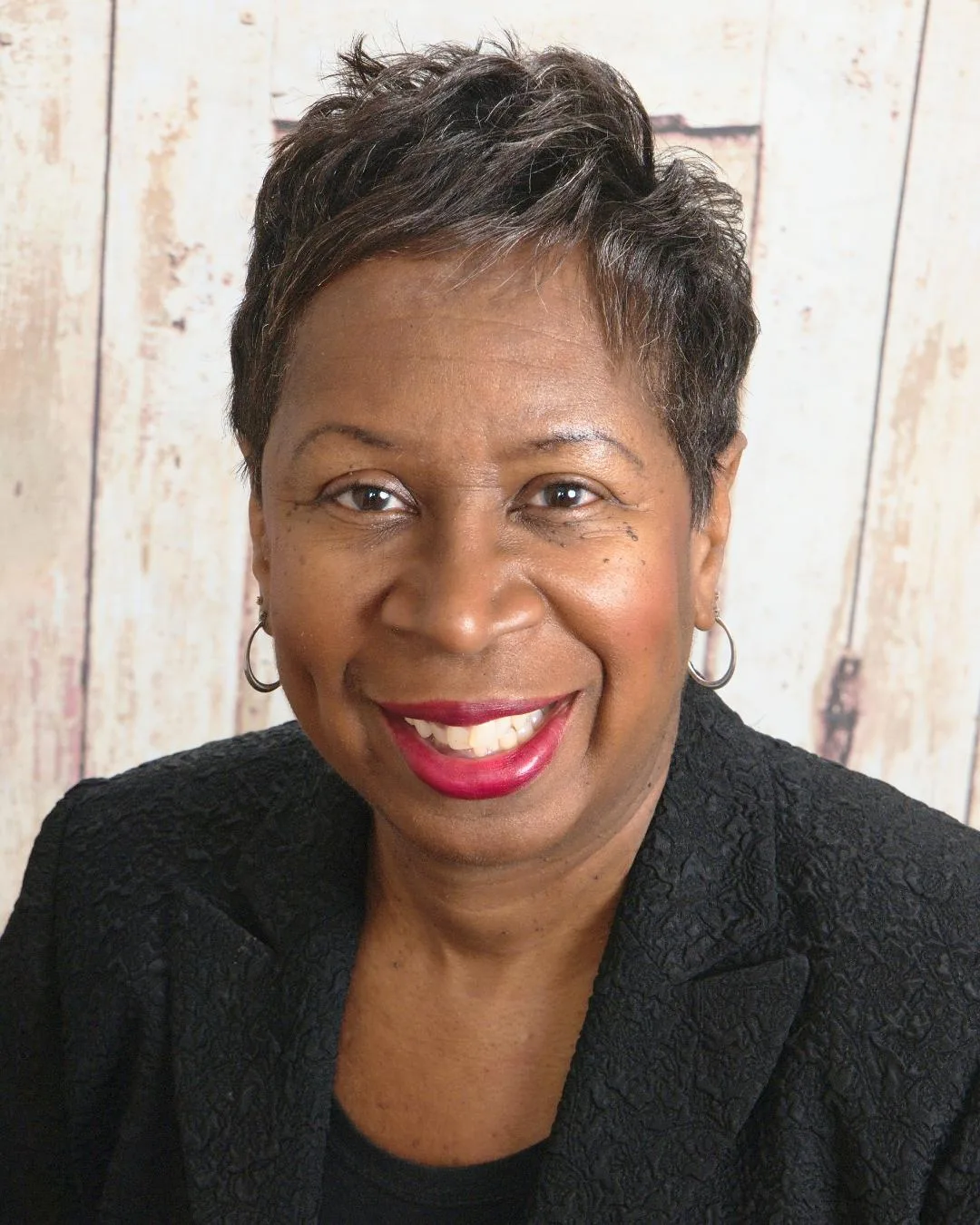
Talk to Patricia. In confidence, and at your family's pace.
Patricia Dinkens has been helping adult children and their parents make thoughtful moves in Northern Virginia and suburban Maryland for 24 years. As a Seniors Real Estate Specialist (SRES) with Samson Properties, she understands both the market and the family dynamics around it. A conversation is free, confidential, and completely without pressure.