
5 Practical Downsizing Tips for Seniors in Northern Virginia
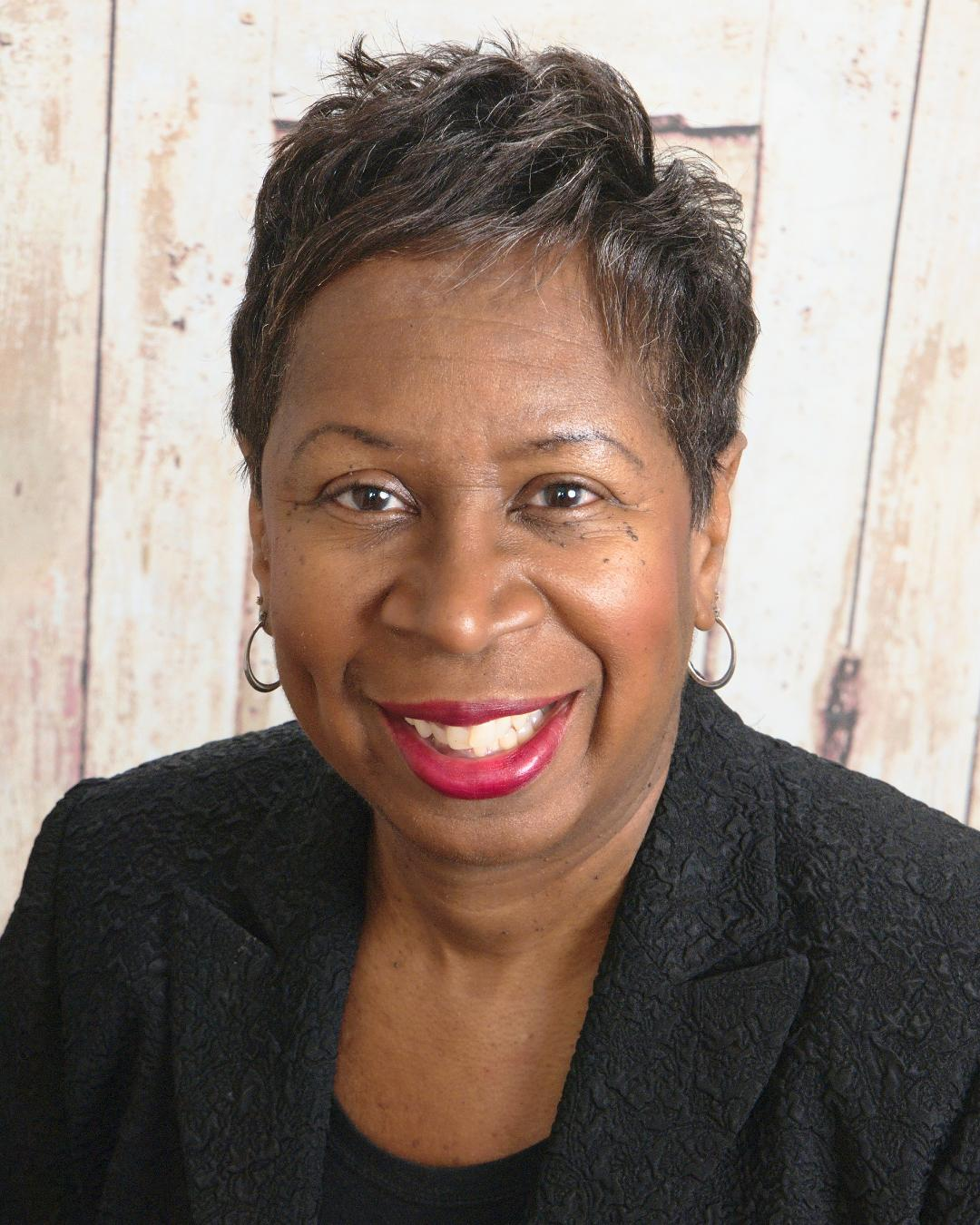
After more than 24 years as a Seniors Real Estate Specialist in Northern Virginia, I have seen the same pattern over and over: families who wait too long to start downsizing end up making rushed decisions they regret. The ones who do it well tend to start early, stay organized, and ask for help when they need it.
Northern Virginia presents a few unique challenges for seniors looking to downsize. Home values are high, which means there is often more equity — and more stuff — to deal with. Many homes in areas like Fairfax, Arlington, and Alexandria were purchased 20 or 30 years ago, and the closets, garages, and attics reflect it. Here are five tips that have helped my clients move forward with less stress.
How much home equity can seniors unlock by downsizing in Northern Virginia?
With the median home price in Fairfax County hovering around $650,000 and Loudoun County at roughly $700,000, seniors who purchased their homes 20 or 30 years ago are often sitting on significant equity. Downsizing from a single-family home to a 55+ community (where prices typically range from $350,000 to $600,000) can free up $150,000 to $300,000 in equity. That capital can fund healthcare, travel, long-term savings, or simply provide peace of mind. In a region where the average home sells in 20 to 30 days, well-prepared sellers are often surprised by how quickly the financial picture improves.
"One of the first things I do with senior clients is help them understand the real financial picture. Most are surprised to learn how much equity they have built — and how freeing that can be when it is time for a change."
— Patricia Dinkens, SRES
1. Start with your target date and work backward
The biggest mistake I see is not giving yourself enough time. If you are thinking about selling in the spring, you should be sorting through belongings now. A realistic timeline for most families is four to six months of active preparation before listing. That gives you time to sort, donate, dispose, and prepare the home for the market without the pressure of a looming deadline.
Sit down and pick a target. It does not have to be exact. But having a date — even a rough one — turns a vague intention into a plan. Then work backward month by month, assigning each major room or area to a specific window.
2. Use the "one-year rule" — and mean it
If you have not worn it, used it, or thought about it in the past twelve months, it is a strong candidate for donation or disposal. This applies to clothing, kitchen gadgets, books, tools, and decorative items. The exception is genuinely irreplaceable family items — and for those, you likely already know which ones they are.
In Northern Virginia, there are plenty of donation centers that make this easy. Goodwill, Habitat for Humanity ReStore, and local church groups will often pick up larger items. For higher-value pieces, consignment shops in Old Town Alexandria and Tysons carry gently used furniture and home goods.
3. Measure your new space before you sort
This tip sounds obvious, but many people skip it. Before you decide what furniture to keep, get the exact dimensions of your new home. Will the king mattress fit in the new bedroom? Is there room for the china cabinet in the dining area? When you know the physical limits, decisions about what to keep become much easier — and much less emotional.
If you are moving from a four-bedroom house in Fairfax to a two-bedroom condo in Reston, you already know some pieces will not make the trip. Focus on the items that will fit your new life, not the old one.
4. Bring in a professional — it pays for itself
Senior move managers, professional organizers, and estate sale specialists exist for a reason. In Northern Virginia, where home values and hourly rates are both higher than the national average, the time you save by working with a professional often more than offsets the cost. A good move manager can coordinate everything from sorting and packing to coordinating the movers and setting up your new home.
I have worked with several trusted professionals in the area over the years. If you want recommendations, I am happy to share names and contact information based on your specific situation.
5. Do not forget the emotional work
Downsizing is physical, but it is also deeply emotional. The kitchen where your children learned to cook. The bedroom where you spent thirty years. The garage full of projects and memories. These spaces are not just rooms — they are chapters of your life.
Give yourself permission to grieve as you sort. Take photographs of rooms before you pack them up. Talk to friends, family, or a counselor about how you are feeling. The emotional work is just as important as the physical work, and skipping it tends to make the whole process harder, not easier.
The bottom line
Downsizing in Northern Virginia is different from downsizing in many other parts of the country. Higher home values, competitive markets, and larger homes with more accumulated belongings all add complexity. But with the right plan, the right help, and a realistic timeline, it is absolutely manageable.
If you are thinking about downsizing and want to talk through your options, I am here. No pressure, no timeline. Just an honest conversation about what makes sense for your situation.
Have questions about your next step? Patricia would love to help, no pressure at all.