
How to Stage a Lived-In Home for Today's Buyers
A home that has been loved for decades has a warmth that new construction cannot replicate. The problem is, buyers sometimes have trouble seeing past the warmth to the space itself. That is where staging comes in.
Staging is not about erasing your life from the home. It is about helping a buyer imagine their own life unfolding in the same space. It is the difference between a house that feels like "someone else's" and a house that feels like "mine."
The first impression starts at the curb
Before a buyer walks through the front door, they have already formed an opinion. The lawn should be mowed. The porch should be clean. A fresh doormat and a couple of potted plants go a long way. If the paint on the front door is peeling, a weekend with a brush and a quart of paint can change the entire first impression.
Let the light in
Open every curtain and blind before a showing. Replace burned-out bulbs with bright, warm-toned options. If a room feels dark, consider adding a floor lamp or a table lamp. Light makes spaces feel larger and more inviting. It is one of the simplest and most effective things you can do.
How much does staging affect a home's sale price in Northern Virginia?
In Northern Virginia's competitive market, professionally staged homes in the $500,000 to $800,000 range — a common price point for homes being sold by seniors transitioning out of long-term residences — tend to attract multiple offers and sell faster. According to the National Association of Realtors, staged homes typically sell for 1% to 5% more than unstaged comparable homes. On a $650,000 home — close to the Fairfax County median — that difference can mean $6,500 to $32,500 more at closing. Even light staging, such as fresh paint, thorough cleaning, and decluttering, can meaningfully impact both sale price and days on market.
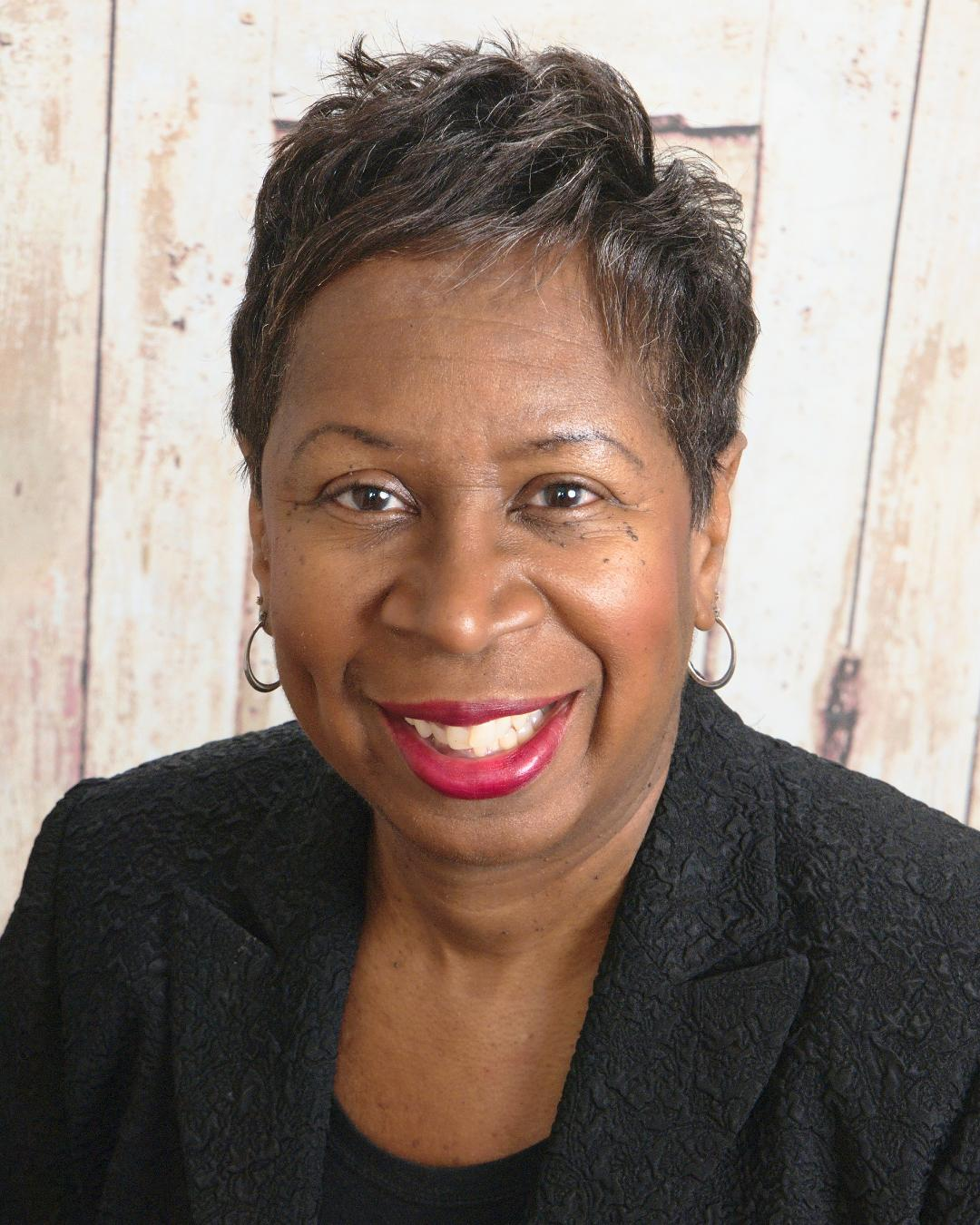
"In over 24 years of helping seniors sell their homes, I have seen staging make the difference between a listing that sits and one that draws multiple offers. It does not have to be elaborate — just intentional."
— Patricia Dinkens, SRES
Neutralize the walls
That deep red dining room you chose in 2005? It might be your favorite color, but it can feel very personal to a buyer. A fresh coat of warm neutral paint, soft whites, light grays, or warm beiges, helps buyers project their own style onto the space. It is not about making the home boring. It is about making it a canvas.
Edit the furniture
Less furniture makes rooms feel larger and more open. Remove oversized pieces, extra chairs, and anything that blocks the natural flow of traffic. Each room should have a clear purpose. If the formal dining room has become a storage space, it is time to clear it out and let buyers see the room it was designed to be.
Depersonalize, but keep warmth
Pack away family photos, personal collections, and anything that makes the home feel like it belongs to someone specific. But do not strip it bare. A bowl of fresh fruit on the counter, a small plant on the windowsill, a stack of attractive books on the coffee table. The goal is "lived-in" without "someone else's life."
Fix the small things
Leaky faucets, scuffed baseboards, broken light switch covers, and squeaky doors all signal neglect. A weekend of small repairs can add thousands to a buyer's first impression. These are the things buyers notice, even if they cannot articulate why they feel the home needs work.
The power of smell
This one is underrated. A home that smells fresh and clean feels well-maintained. Open windows before showings. Avoid heavy air fresheners. A subtle candle or a simmering pot of cinnamon and cloves can create a welcoming atmosphere without overwhelming the senses.
The goal is connection, not perfection
Staging does not mean turning your home into a magazine spread. It means making small, intentional changes that help a buyer feel at home the moment they walk through the door. You are not hiding the life that happened here. You are making room for the life that comes next.
If you are thinking about selling and want to talk through what staging might look like for your specific home, I am happy to help. Every home is different, and the right approach depends on your space, your timeline, and your goals.
Have questions about your next step? Patricia would love to help, no pressure at all.